How Do You Improve Balance in Argentine Tango?

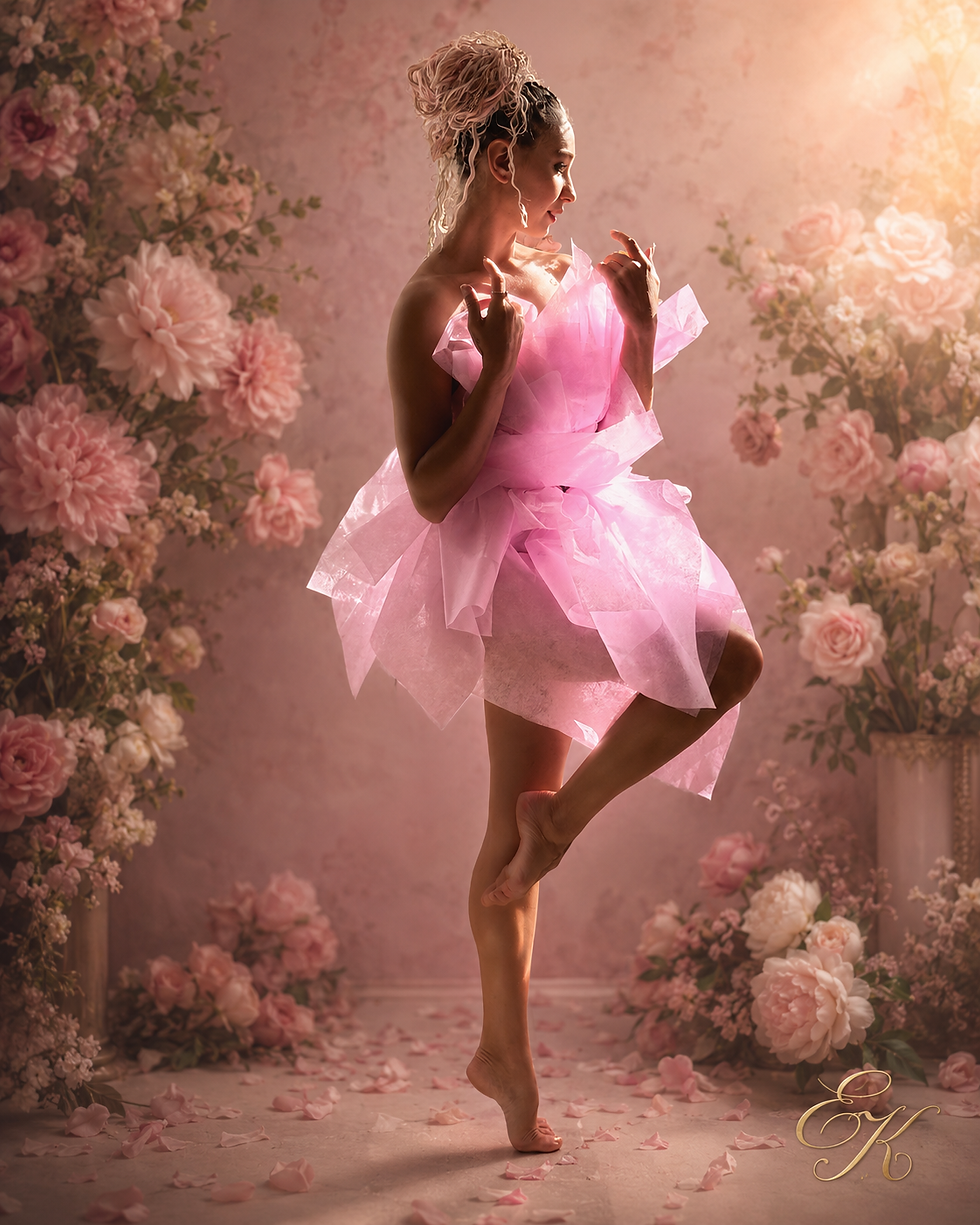
Balance Is a Practice
Balance is not something we either have or do not have. It is something we develop.
It begins with calming the mind. It continues through the organization of the body. It becomes more reliable when we understand our axis, our standing foot, and our breathing.
Most importantly, balance does not mean becoming rigid or trying to control every movement. True balance gives us freedom. It allows us to move, respond, express ourselves, and remain connected to our partner without losing our own center.
The more clearly you understand your body, the less force you need—and the more freedom you discover inside your tango.
Balance in Argentine tango begins long before you stand on one foot.
When your mind is constantly stressed, your thoughts are rushing, and your lifestyle feels overwhelming, it can be challenging to find balance in your body. Before we can organize ourselves physically, we often need to slow down mentally.
Practices such as meditation, Pilates, stretching, and conscious breathing can be extremely helpful. They calm the nervous system, release unnecessary tension, and prepare the body to understand balance—not only as a physical position, but as a complete state of awareness

What Is Balance in Argentine Tango?
There are many ways to explain balance.
For me, balance comes from organization.Throughout my career, I explored different techniques, movement systems, classes, and styles of dancing. Over time, I created the EK Tango System—a clear and organized approach that helped me understand my own balance and explain it to my students in an accessible and practical way.
Balance is not simply the ability to remain on one leg. It is understanding:
How to organize your body
Where to place your weight
Which muscles need to activate
Which areas need to release unnecessary tension
In which direction your energy and intention should travel
When these elements begin working together, balance becomes more stable, natural, and manageable.
Here are the three practices I recommend for improving your balance in Argentine tango.
.
1. Build Your Physical Axis
The first practice is learning to build your axis through the six points of the body in the EK Tango System.
These six points help us organize the body vertically, connect the upper and lower parts, and understand the direction of our intention. Instead of stiffening the entire body and trying to “hold” the balance, we activate the necessary areas while allowing the rest of the body to remain flexible and available for movement.
The six points are:
The lower belly
The lower back
The solar plexus
The right hip bone
The left hip bone
The area between the shoulder blades
When these points are connected and directed correctly, they create a stronger and more organized axis.
The second part of this physical practice is understanding where your body weight is placed on your standing foot. In my system, we work with three specific points:
The inner part of the ball of the foot, near the base of the big toe
The top of the big toe
The middle of the ball of the foot
Together, these points create a small triangle of support.
By combining the six points of the body with the three points of the standing foot, you begin to understand how your entire structure connects to the floor. You learn where to direct your body, which muscles should support you, and which muscles can soften.
This is why exploring the EK Tango System can be so interesting and helpful: it transforms balance from something mysterious into something clear, practical, and trainable.

2. Practice Mental Balance
The second practice is mental balance.
Try to find five or ten quiet minutes for yourself each day. You do not necessarily need meditation music or a special place. Simply sit down, become quiet, and observe what is happening inside you.
Ask yourself:
What makes me feel happy?
What is creating stress or imbalance?
What can I change?
What can I accept?
What would help me return to a more neutral and peaceful state?
Mental tension always finds its way into the body. It may appear as lifted shoulders, a tight embrace, stiff knees, uncontrolled movement, or difficulty remaining present with your partner.
When the mind becomes calmer, the body can listen more clearly. You become more aware of your breathing, your standing foot, your partner, and the music. Instead of fighting for balance, you begin to experience it.
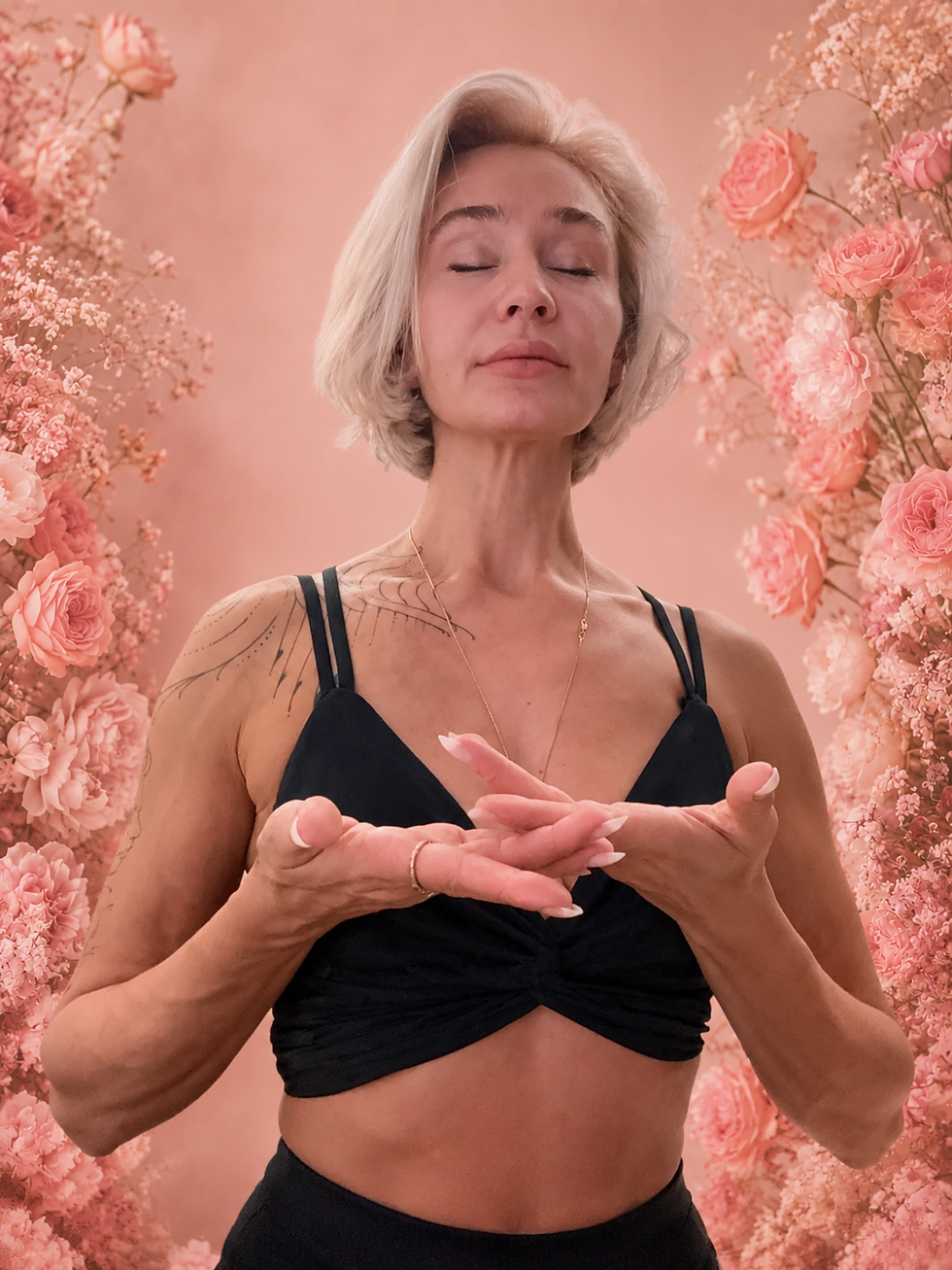
3. The third practice I recommend is breathing meditation.
Breathing meditation can help calm the mind, release unnecessary tension, and improve your ability to stay present in your body.
Try this simple exercise: write or draw several different shapes on a piece of paper—a circle, a square, a triangle, a spiral, or a wave. Choose one shape and slowly trace it with your finger while inhaling. Allow the entire inhale to determine the speed and flow of your movement.
Then repeat the same shape in the opposite way: trace it slowly during one continuous exhale. Do not rush to finish. Let your breath guide the movement from the beginning of the shape to the end.
Notice how the same shape feels different when it is created through an inhale and when it is created through an exhale. The inhale may bring elevation, energy, and expansion, while the exhale may create grounding, softness, and release.
This exercise helps connect breath, intention, timing, and movement—important elements for developing both mental and physical balance in Argentine tango.

You can find many different breathing practices and meditation exercises online. However, I am also preparing a special Breathing Meditation Practice based on my own system.
This new page is coming soon to my website, where we will explore how breathing can support balance, movement, awareness, and connection in Argentine tango.
Stay tuned.


It works.
Try it once. Try it again. It might not happen immediately after a couple of tries, but soon it will click. Soon, you start to feel completely independent of your partner. It is an amazing feeling that brings immense freedom to your movements and joy to your dancing.